Must-Have Documents for Travelling With Kids Across the U.S.–Canada Border
- Children travelling across the U.S.–Canada border must have their own valid passport and may require additional documents depending on who they are travelling with.
- Border officers may ask for a parental consent letter, custody documents and travel details to confirm the child has permission to travel.
- Preparing the right documents before the trip helps families avoid delays, secondary inspection or being turned back at the border.
Why Border Officers Ask for Extra Documents When Travelling With Kids
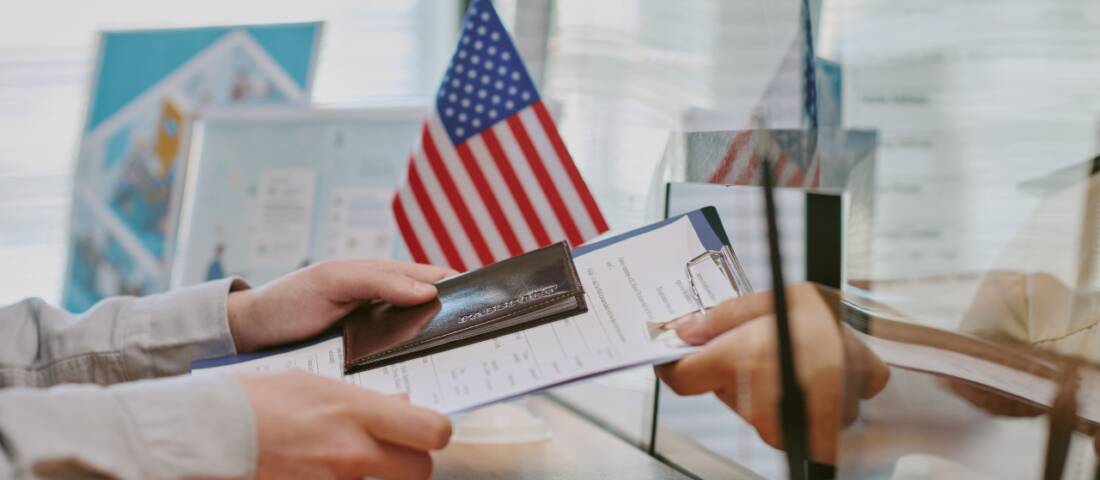
When a child crosses an international border, officers have an additional responsibility to confirm that the trip is legitimate and that the child has permission to travel.
Both Canada and the United States take child protection seriously. Border officers are trained to watch for situations that could involve child abduction, custody disputes or a child travelling without the knowledge of a parent or legal guardian.
This is why families travelling with children are sometimes asked more questions than adult travellers. Officers may want to confirm who the child is travelling with, where they are going and whether both parents have consented to the trip.
Even when everything is completely routine, officers may still request documents that confirm the relationship between the adult and the child or verify that the child has permission to travel.
Having the right paperwork ready helps the process move quickly and reassures officers that the trip is safe, authorized and well planned.
The 5 Must-Have Documents for Travelling With Kids
Crossing the U.S.–Canada border with children is usually straightforward when families are prepared. The key is carrying the documents that border officers commonly request to confirm identity, parental consent and travel plans.
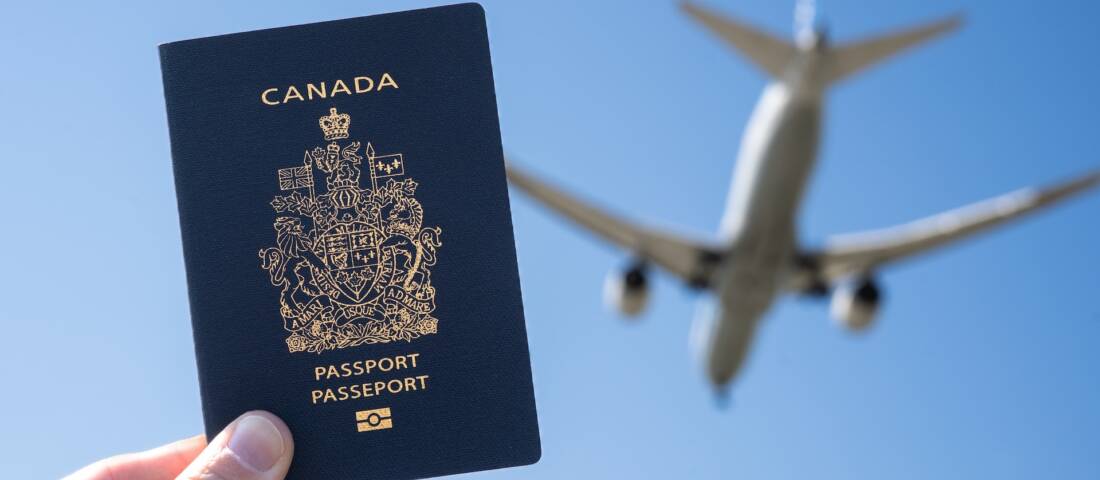
1. A Valid Passport for Each Child
Every child travelling internationally must have their own valid passport.
While some families assume a birth certificate will be enough, passports are generally required for air travel and are the most reliable proof of identity and citizenship at the border. An expired passport can also cause problems, so it is important to check expiry dates well before your trip.
2. A Notarized Consent Letter From the Other Parent
If a child is travelling with only one parent, border officers may ask for written permission from the other parent allowing the child to travel internationally.
This letter should include the child’s name, travel dates, destination and the contact information of the parent providing consent. Many families choose to have the letter notarized to avoid questions at the border. Even when parents are married, carrying a consent letter can help prevent delays.
3. Custody or Court Documents (If Applicable)
If there is a custody agreement, divorce order or court decision affecting parental rights, it is important to carry those documents when travelling with a child.
Border officers may request proof of custody or legal authority if a child is travelling with only one parent or guardian. Having the relevant documents available helps clarify the situation quickly and avoids unnecessary complications.
4. Health Insurance Information and Medical Consent
It is always wise to carry proof of health insurance when travelling with children, along with any travel medical coverage.
Families may also want to bring a written medical consent form authorizing the accompanying adult to seek medical treatment for the child if necessary. This can be especially important if a child is travelling with a grandparent, relative or another adult who is not the legal guardian.
5. Travel Itinerary and Emergency Contact Information
Border officers may ask basic questions about the trip, including where you are staying, how long you will be visiting and how to reach the child’s parents or guardians if needed.
Keeping a simple itinerary and emergency contact list on hand can make these questions easier to answer and show that the trip is organized and legitimate.
What Happens If You Don’t Have the Right Documents
If you arrive at the border without the required documents for travelling with a child, the consequences can be immediate.
Border officers may refer you to secondary inspection, where you will be asked additional questions about your relationship to the child, the purpose of the trip and whether the other parent or guardian has given permission.
In some cases, officers may allow the trip to continue after verifying the situation. In others, you may face significant delays while officers attempt to confirm consent or review your documents.
If officers cannot confirm that the child has permission to travel, they may refuse entry and require you to return home. This can result in missed flights, cancelled hotel bookings and a family trip that ends before it even begins.
The good news is that these situations are almost always preventable. Having the right documents organized and ready before you reach the border helps ensure your family trip starts smoothly.
Tips for Stress-Free Family Travel Across the Border
Travelling with kids across the U.S.–Canada border can be smooth and straightforward when families take a little time to prepare. A few simple steps can help you avoid delays and keep your trip focused on fun rather than paperwork:
- Organize your documents in one place. Keep passports, consent letters, custody documents and health information together in a travel folder so you can quickly access them if officers ask.
- Carry both digital and printed copies. Having a paper copy of important documents is helpful if your phone battery dies or you lose internet access.
- Check passport validity before booking travel. Children’s passports often expire sooner than adult passports, so confirm they are still valid well before your departure date.
- Discuss the trip with your child if they are older. Border officers may ask simple questions about where the child is going or who they are travelling with.
- Prepare basic trip details. Know where you are staying, how long you will be visiting and who can be contacted in case of emergency.
Prepare Once, Travel With Confidence
Family trips across the U.S.–Canada border should start with excitement, not stress at the inspection booth.
Most delays happen simply because families are missing one key document. When passports, consent letters, custody documents and travel details are organized in advance, border crossings are usually quick and straightforward.
A few minutes of preparation before your trip can save hours of delay at the airport or land border and help ensure your travel plans stay on track.
If you have questions about travelling with children across the border or need guidance on family immigration matters, the team at Ackah Business Immigration Law is here to help.